Skip to content

AI/ML

Fine Tuning as a Service using Rafay and Unsloth Studio

Fine-tuning large language models used to be an exercise reserved for teams with deep MLOps expertise and bespoke infrastructure. With Unsloth Studio — an open-source web UI for training and running LLMs — the barrier to entry has dropped considerably.

But packaging Unsloth Studio into a repeatable, self-service experience that neo clouds and enterprise can offer their end users? That still requires thoughtful orchestration.

In this post, we walk through how to deliver Unsloth Studio as a one-click, app-store-style experience using Rafay's App Marketplace. By the end, you'll understand how to create an Unsloth Studio App SKU, configure it for end users, test it, and share it across customer organizations — all without requiring your users to know anything about Kubernetes, Docker, or GPU scheduling.
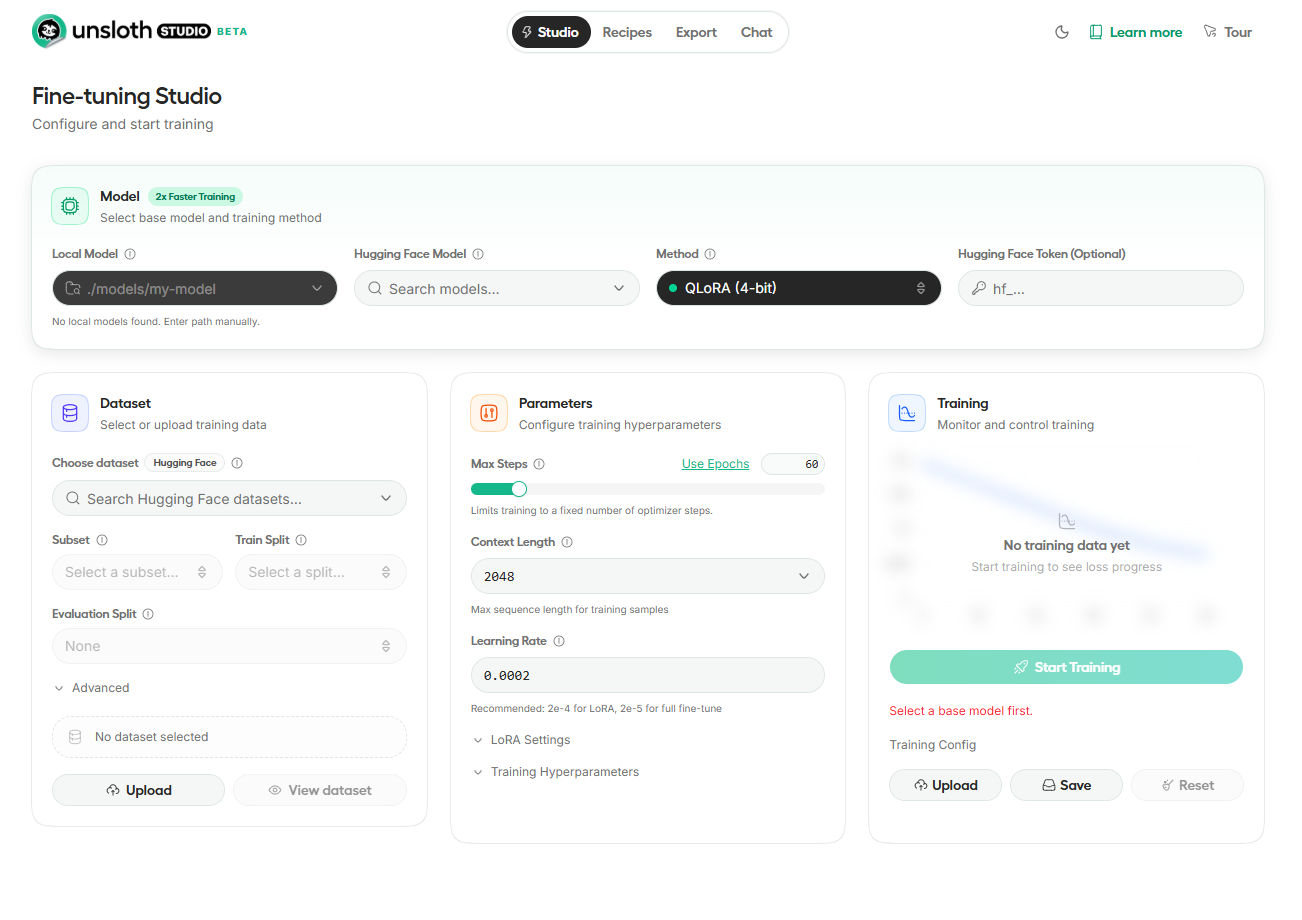
Unsloth Studio in Rafay

From Docker Image to 1-Click App: Enabling Self-Service for Custom Apps

In the Developer Pods series (part-1, part-2 and part-3), we made a simple point: most users do not want infrastructure. They want outcomes.

They do not want tickets. They do not want YAML. They do not want to think about pods, namespaces, ingress, or DNS. They want a working environment or application, available quickly, through a clean self-service experience. That was the core theme behind Developer Pods: Kubernetes is a powerful engine, but it should not be the user interface.

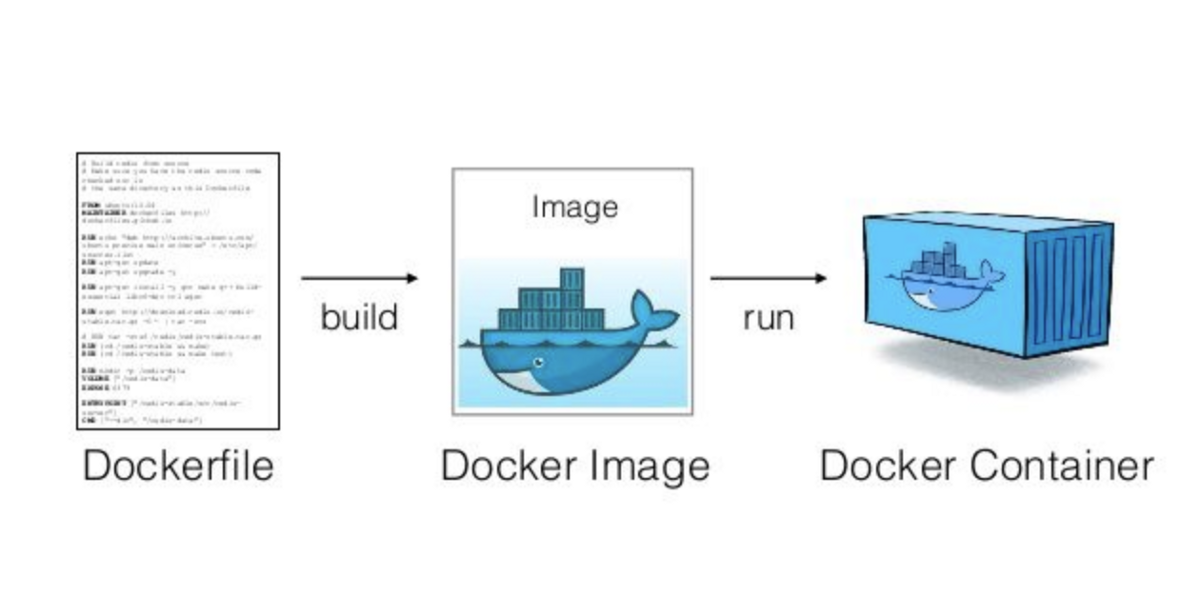
The next step is just as important: letting end users deploy applications packaged as Docker containers into shared, multi-tenant Kubernetes clusters with a true 1-click experience.

Rafay’s 3rd Party App Marketplace is designed for exactly this. It allows providers to curate and publish containerized apps from Docker Hub, third-party vendors, or open-source communities, package them with defaults, user overrides, and policies, and expose them as a secure, governed self-service experience for users across multiple tenants.

Docker App

Developer Pods for Platform Teams: Designing the Right Self-Service GPU Experience

In Part 1, we discussed the core problem: most organizations still deliver GPU access through the wrong abstraction. Developers and data scientists do not want tickets, YAML, and long provisioning cycles. They want a ready-to-use environment with the right amount of compute, available when they need it.

In Part 2, we looked at what that self-service experience feels like for the end user: a familiar, guided workflow that lets them select a profile, launch an environment, and SSH into it in about 30 seconds.

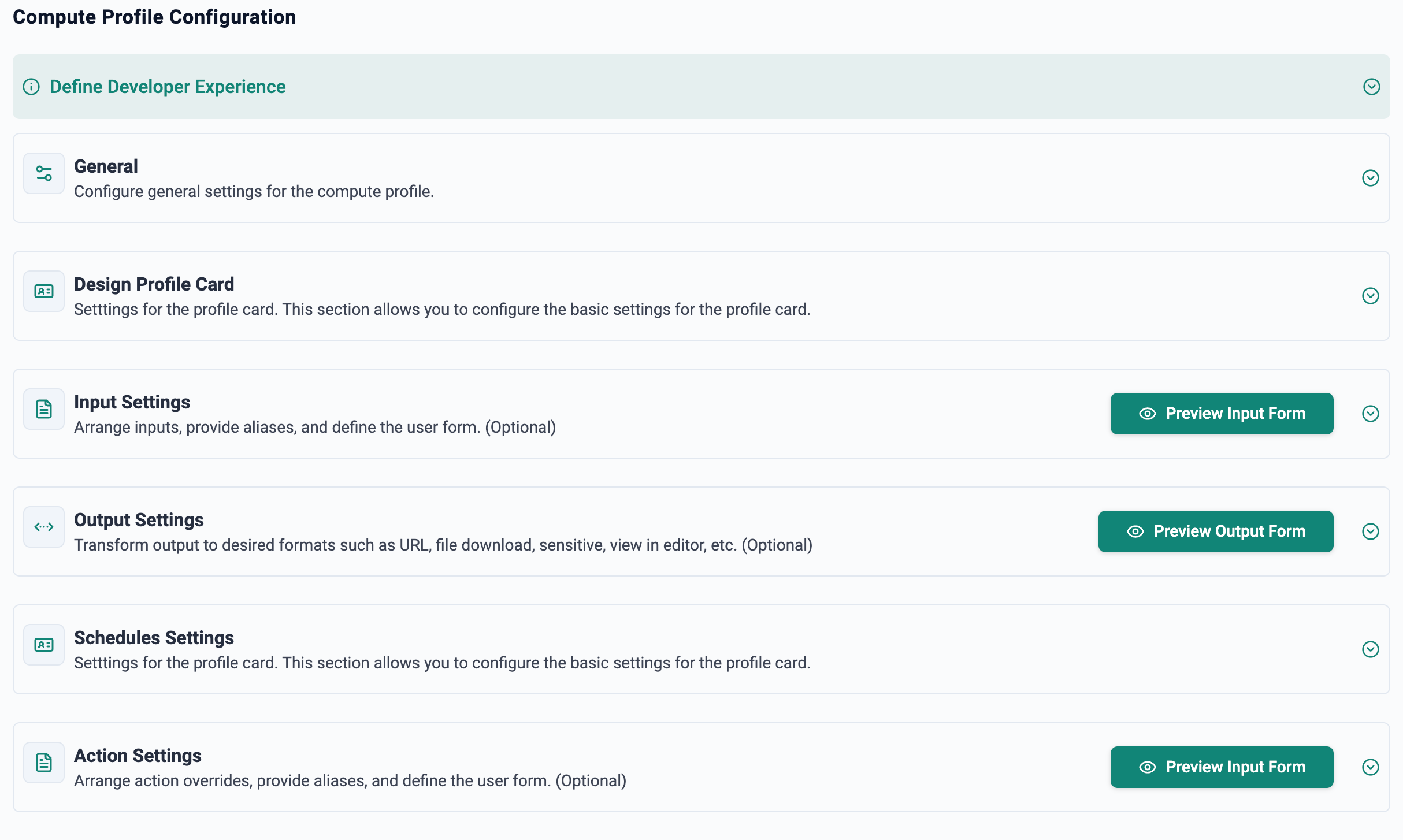
In this part, we shift to the other side of the experience: how platform teams design that experience in the first place. Specifically, we will look at how teams can configure and customize a Developer Pod SKU using the integrated SKU Studio in the Rafay Platform.

SKU in Rafay Platform

Developer Pods: A Self-Service GPU Experience That Feels Instant

In Part 1, we discussed the core problem: most organizations still deliver GPU access through the wrong abstraction. Developers do not want tickets, YAML, and long wait times. They want a working environment with the right tools and GPU access, available when they need it.

In this post, let’s look at the other half of the story: the end-user experience. Specifically, what does self-service actually look like for a developer or data scientist using Rafay Developer Pods?

The answer is simple: a familiar UI, a few guided choices, and a running environment they can SSH into in about 30 seconds.

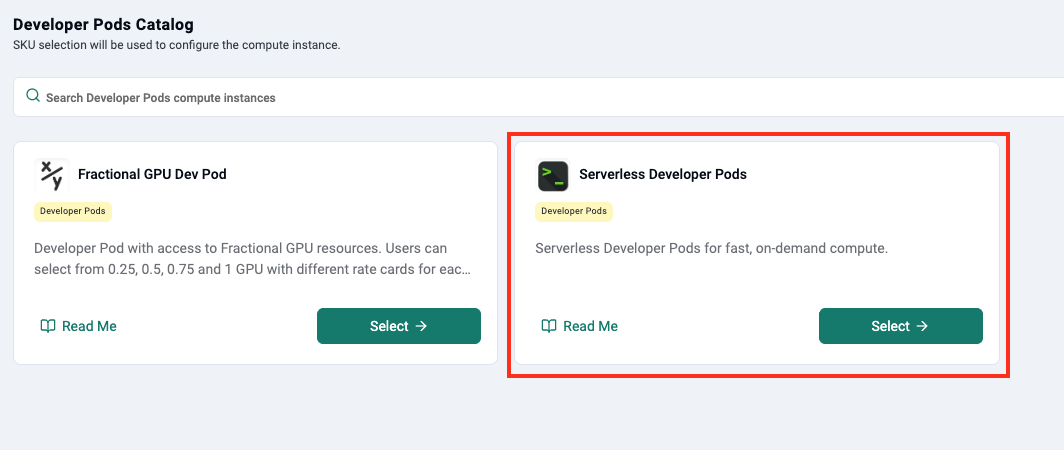
New Developer Pod

Instant Developer Pods: Rethinking GPU Access for AI Teams

It's the week of KubeCon Europe 2026 in Amsterdam. Much of the conversations will be about Kubernetes, AI and GPUs. Let's have a honest discussion.

We are in 2026 and we’re still handing out infrastructure like it’s 2008. The entire workflow is slow, expensive and wildly inefficient. Meanwhile, your most expensive resource—GPUs—sit idle or underutilized.

The way most enterprises deliver GPU access today is completely misaligned with how developers and data scientists actually work. A developer wants to:

  • Run a PyTorch experiment
  • Fine-tune a model
  • Test a pipeline

What do they get instead?

A ticketing system with a multi day wait time and then finally a bloated VM or an entire bare-metal GPU server

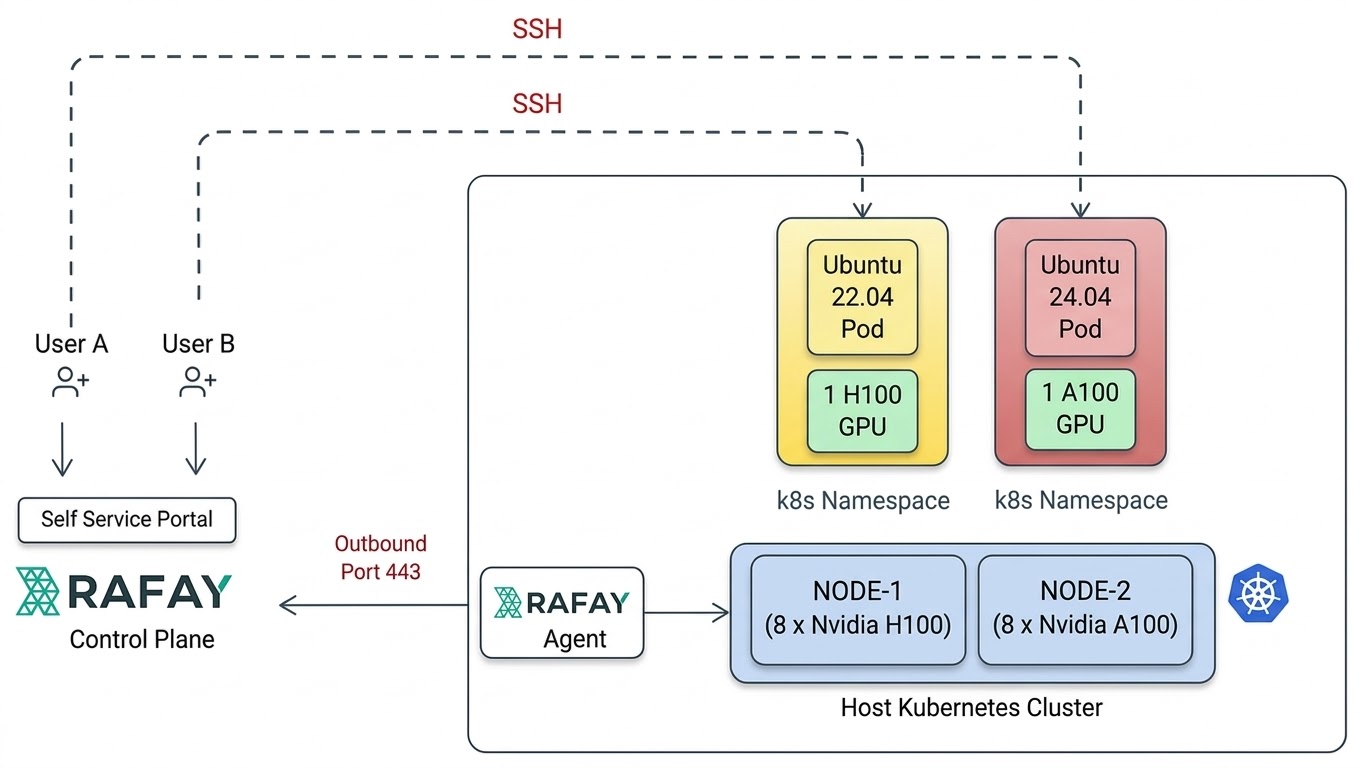
There has to be a better way. This is the first part of a blog series on Rafay's Developer Pods. In this, we will describe why and how many of our customers have completely transformed the way they deliver their end users with a self service experience to GPUs.

Dev Pod

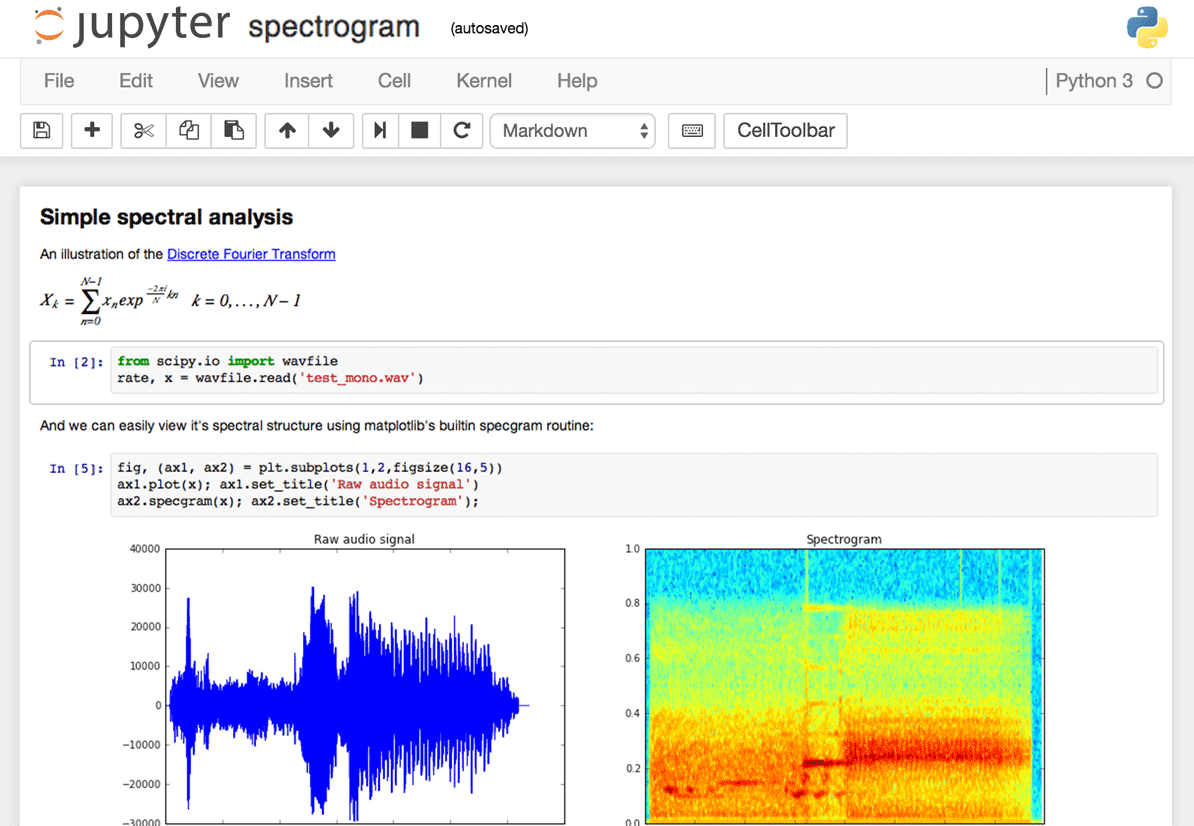
Introduction to Jupyter Notebooks

Jupyter Notebook is open-source software created and maintained by the Jupyter community. A Jupyter notebook allows for the creation and sharing of documents with code and rich text elements. It works with over 40 programming languages including Python, R, and Ruby making it versatile and flexible for data scientists. In this introductory blog to Jupyter notebooks, we will look at "why it exists" and "what it looks like".

Jupyter Logo